Lead Generation Under DPDP Act: A Simple Guide
How to collect and follow up on leads under the DPDP Act: clear consent, honest forms, no bought lists and simple data habits for small Indian businesses.
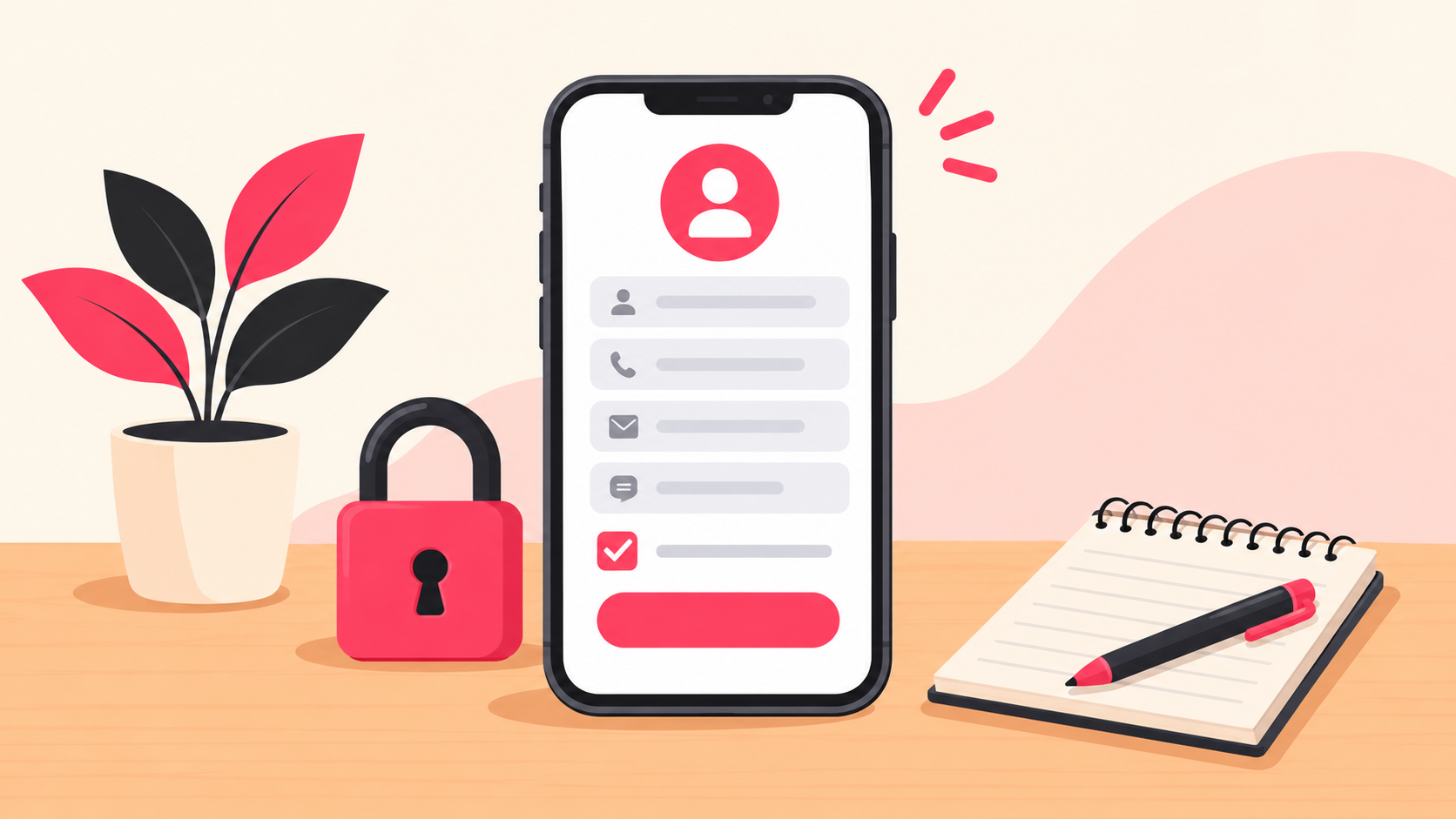
Lead generation under DPDP Act rules comes down to one idea: collect personal data only with clear consent, use it only for the purpose you stated, and keep proof. If your team runs forms, ads, WhatsApp and calls, a few small changes now will save you a scramble later.
This guide is for owners and sales managers of small Indian businesses. It is practical, not legal advice. Please check the official text or speak to a lawyer for your own case.
What the DPDP Act means for lead generation
A lead is personal data: a name, a phone number, an email, sometimes a budget or a medical enquiry. The Digital Personal Data Protection Act, 2023 sets rules for how businesses (called data fiduciaries) collect and use such data. The DPDP Rules were notified in November 2025, and the main obligations are being phased in over roughly 18 months, which points to around May 2027. Dates have been reported slightly differently, so confirm them on the official notification.
Why start early? Your lead database grows every day. Data collected carelessly now becomes data you must clean up later.
The core ideas in plain words
Consent: it should be free, specific and clear. A pre-ticked box or a vague line is a weak base.
Notice: tell people what you collect and why, in simple language, at the time you ask.
Purpose limit: use the data only for the reason you gave.
Withdrawal: people should be able to take back consent as easily as they gave it.
Retention: do not keep data forever without a reason.
For a wider checklist, read our post on the DPDP Act for small business and lead data.
Step 1: Fix your lead capture forms
Most leads enter through a form, so start there. Check every form on your website, landing pages and ad campaigns.
Ask only for what you need. If you do not use a field, remove it.
Add a short line saying why you collect the data, for example: "We will call you about your enquiry."
Use an unticked consent checkbox for marketing messages, separate from the enquiry itself.
Link to a plain-language privacy page that says how to withdraw consent.
Keep one record per lead
Store the source of the lead, the date, and what the person agreed to. If someone asks "how did you get my number?", you should answer in a minute, not a day. A CRM that captures leads from forms and websites into one place makes this far easier than scattered sheets.
Step 2: Be careful with bought lists and scraped data
Buying contact lists is the riskiest shortcut. You usually cannot show that those people agreed to hear from you. Scraped numbers have the same problem. Prefer leads who came to you: form fills, missed calls, referrals and walk-ins.
Referrals are fine when the referrer shares a contact with the person's knowledge. Note the source in the lead record so you can show where it came from.
Step 3: Follow up within the purpose you stated
Someone who asked for a fee brochure did not agree to a monthly offer blast. Treat the two as separate permissions.
Enquiry follow-up: calls and messages about what they asked for.
Marketing: offers and newsletters, only with their own consent.
Calls and SMS for promotions are also covered by telecom regulator rules, which are separate from the DPDP Act. Check those rules for your calling setup. If you use WhatsApp, a fast and relevant reply to an enquiry is good practice. See our simple WhatsApp lead follow-up plan for a respectful routine, and our guide to lead response time for timing.
Step 4: Control who sees lead data
Every extra copy of your lead list is extra risk. Shared Excel files, forwarded WhatsApp exports and screenshots all spread personal data with no trail.
Give each salesperson only the leads assigned to them.
Remove access when someone leaves the team.
Stop exporting full lists to personal phones and drives.
This is one more reason teams move off sheets. We cover it in stop using spreadsheets for your sales pipeline. A CRM that assigns leads to team members keeps ownership clear and data in one place.
Step 5: Set a retention and deletion habit
Old, cold leads are a liability. Decide how long you keep a lead who never replied, for example 12 months, then review or delete. Whatever period you choose, write it down and apply it the same way every time.
Also decide how you handle a request to delete or correct data. One person on your team should own it, and the steps should be written on one page.
Common mistakes small teams make
Adding customers to groups without asking
Adding a lead to a WhatsApp broadcast or group because they enquired once is a common habit. Ask first, and make leaving easy.
Keeping consent only in someone's head
If the only proof of consent is a salesperson saying "they agreed on the call", you have no proof. Note it in the lead record the same day, with the date and what was agreed.
Ignoring opt-outs
When a lead says "please stop calling", mark it at once so no teammate calls again. In a shared sheet this is easy to miss. In a CRM, a status or note on the lead is visible to everyone who opens it.
Collecting extra data "just in case"
Income, family details or ID numbers are rarely needed at the enquiry stage. Ask for them later, only when the deal needs them. The less you hold, the less you must protect.
A quick DPDP lead generation checklist
AreaWhat to checkFormsShort notice, only needed fields, separate marketing checkboxSourcesNo bought or scraped lists; source recorded per leadFollow-upMessages match the purpose the lead agreed toAccessLeads assigned per person; leavers removedRetentionA written period and a deletion routineWithdrawalAn easy way to opt out and a named owner
FAQs
Does the DPDP Act apply to small businesses?
The Act applies to anyone who processes digital personal data, whatever their size. Some relief for small entities has been discussed, so check the Rules for your situation.
Do I need consent to call a lead who filled my form?
If they submitted a form asking to be contacted, following up on that enquiry fits the purpose they gave. Marketing beyond that needs its own consent.
Can I still use my old lead list?
Review it. Keep leads with a known source and a clear reason to contact them, and set aside those you cannot explain. Do not mass-message the unsure group.
When do the main DPDP rules start?
The Rules were notified in November 2025 and the main obligations come in phases, with many due around 18 months later. Check the official notification for exact dates.
How can a CRM help with DPDP compliance?
A CRM gives you one place for lead data, clear ownership and a record of source and follow-up. It does not make you compliant by itself, but it makes good habits easier.
Good lead generation and good data habits go together. If you want one place to capture leads, assign them and remind your team to follow up, try LeadGo.