Coaching Institute Admission Enquiry Follow-Up Guide
A simple follow-up system for coaching institutes: one list, one owner per enquiry, clear stages and a rhythm your counsellors can keep.

Coaching institute admission enquiry follow-up is simple to describe and hard to do. A parent calls, a student fills a form, a counsellor says "I will call back", and then the batch starts and nobody remembers who was promised what. This guide gives you a plain follow-up system you can run with a small counselling team.
Why admission enquiries go cold
Most enquiries do not go cold because the coaching is weak. They go cold because nobody followed up on time. Common reasons:
Enquiries arrive from many places: walk-ins, phone calls, website forms, social media ads and WhatsApp.
Each counsellor keeps their own notes, in a diary, a phone or a private sheet.
Nobody owns the next step, so the lead waits.
Counsellors are busy with demo classes and counselling in peak season.
Parents usually talk to more than one institute. The one that replies clearly and on time often gets the next conversation. If you want to measure your own speed, read our guide on lead response time for Indian SMBs.
Step 1: Put every enquiry in one place
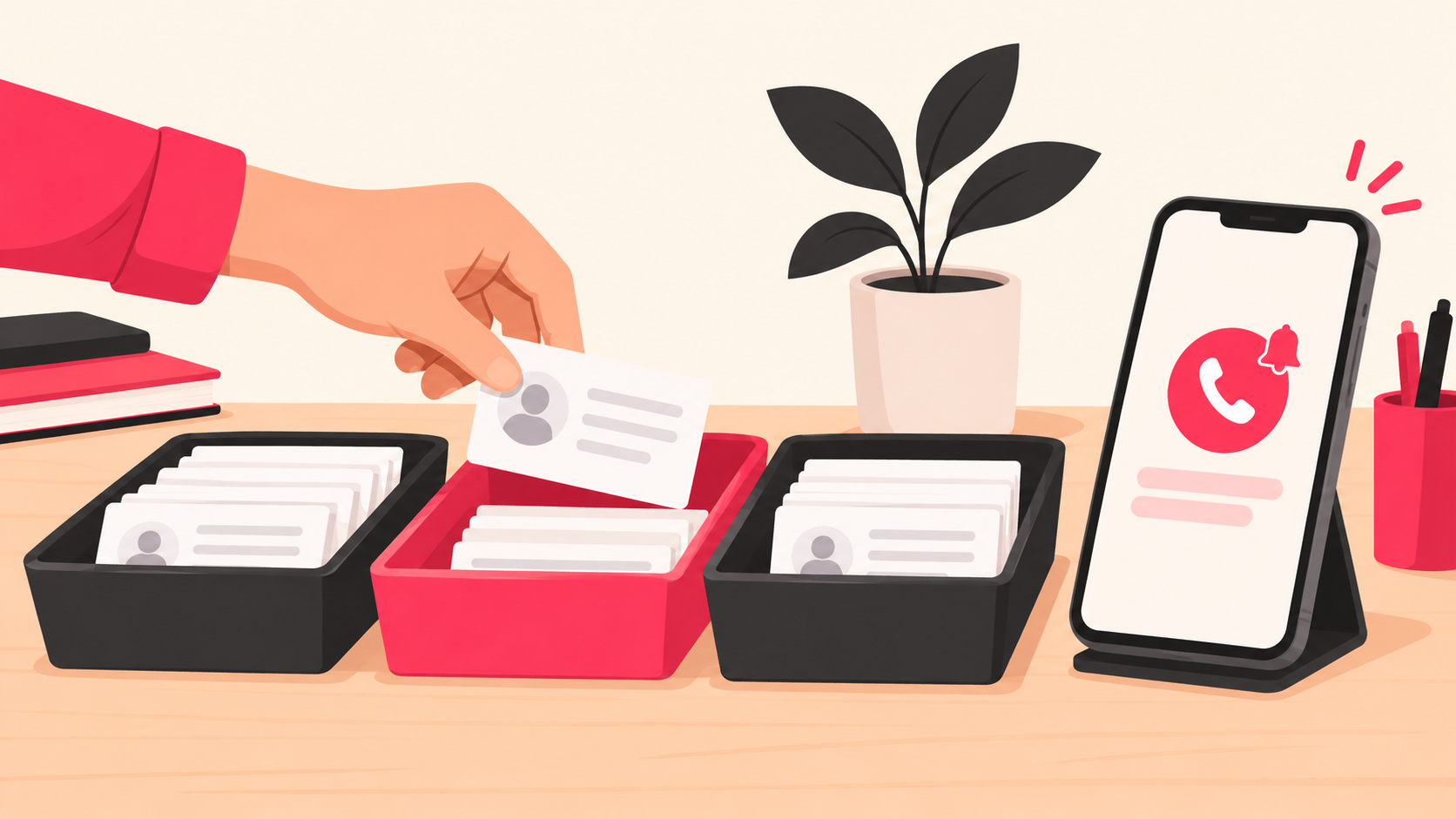
You cannot follow up on an enquiry you cannot see. Pick one list for all sources. Whether it is a sheet or a CRM, each enquiry should have:
Student name and parent name
Phone number (and WhatsApp number if different)
Course, class or exam they asked about
Source: walk-in, call, website, ad or referral
Assigned counsellor
Stage and the date of the next follow-up
If the sheet is already hard to manage, see when teams outgrow manual lead management.
Step 2: Give each enquiry one owner
When two counsellors both think the other will call, nobody calls. When both call, the parent gets annoyed. Assign every enquiry to one person the moment it arrives. A simple rule works: by course, by branch or in rotation. Our post on lead assignment for small sales teams covers the options.
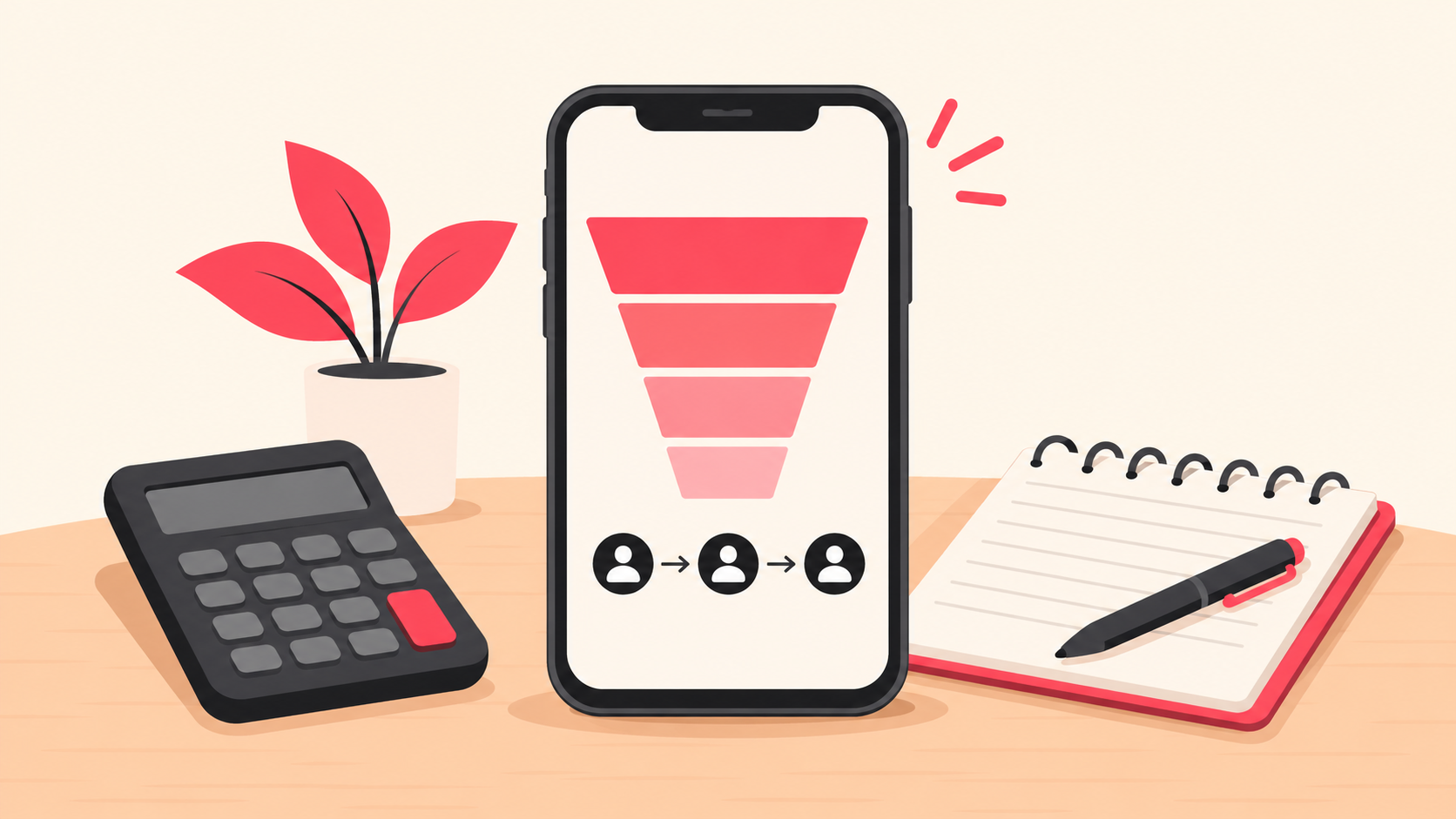
Step 3: Use simple admission stages
Keep the stages few and clear, so every counsellor means the same thing by each one.
New enquiry: not yet contacted.
Contacted: you spoke to the parent or student.
Demo or counselling booked: a date is fixed.
Demo attended: they visited or joined the class.
Fee discussion: they know the fee and batch options.
Admitted or lost: note the reason if lost.
Step 4: A follow-up rhythm you can actually keep
There is no magic number of follow-ups that works for every course. Research sources differ a lot, so test a rhythm and adjust it. A starting plan:
Day 0: first reply
Call or message as soon as you can. Thank them, confirm the course they asked about and ask one question, such as the student's current class. Offer a demo class or a counselling slot.
Day 1 to 3: confirm the visit or demo
Send a short message with the date, time and address. A reminder the day before reduces no-shows.
After the demo: same day
Ask what they thought. Answer fee, batch timing and faculty questions in plain words. Set a decision date: "Shall I hold a seat till Friday?"
Week 1 to 2: gentle nudges
Alternate channels. One call, then one WhatsApp message, then a call. Each touch should add something: a batch update, a sample test or an answer to a doubt. Avoid sending only "Any update?".
Later: keep a slow list
Some families decide after board results or the next term. Do not delete them. Mark a follow-up date for that month and call again with relevant news.
For the messaging side, see our WhatsApp lead follow-up plan.
Step 5: Handle the common objections
What the parent saysA useful reply"The fee is high."Explain what is included and share batch or instalment options you already offer."We are also checking other institutes."Invite them to compare: offer a demo class so they can judge teaching first-hand."Call me later."Ask for a day and time, and set that exact reminder."Let me discuss at home."Offer to speak with both parents and share a short summary on WhatsApp.
Step 6: Review every week
Once a week, spend 20 minutes on three questions:
Which enquiries had no follow-up date?
Which source gives enquiries that actually join?
Why were enquiries lost: fee, distance, timing or no reply?
Small fixes from these answers often help more than spending more on ads. This is the same idea behind a well-run sales pipeline.
Example: a counsellor's day
Imagine a counsellor with 12 enquiries due today. A good routine looks like this:
Start with new enquiries from the last 24 hours. These are the easiest to win, so call them first.
Next, confirm tomorrow's demo classes and counselling visits with a short message.
Then call people who attended a demo and have not decided. Ask what is stopping them.
Finish by updating notes and setting the next follow-up date for every enquiry touched.
The last step matters most. An enquiry without a next date is an enquiry that will be forgotten. Write one line of notes after each call, such as "father prefers evening calls, worried about travel time". The next person who opens the record will know exactly where to start.
What to put in your messages
Keep messages short and personal. Use the student's name, mention the course they asked about and give one clear next step. Do not send the same brochure to everyone again and again. If a parent asked about fee, answer the fee question first.
Where a CRM helps
LeadGo is a lead management CRM. It captures leads from forms and websites, assigns them to team members, reminds the team to follow up, tracks the sales pipeline and calls, and has analytics and a mobile app. For an institute, that means enquiries do not sit in a diary, and each counsellor can see what is due today.
Be careful with student and parent data
You hold phone numbers and details of students, some of whom may be minors. Collect only what you need, say why you are collecting it and keep it secure. Read our DPDP Act checklist for lead data for a starting point.
FAQs
How many times should I follow up an admission enquiry?
There is no fixed number. Sources vary and there is no single proven figure. Follow up until you get a clear yes or no, and keep each message useful so it does not feel like pressure.
What is the best time to call parents?
Ask on the first call. Many parents prefer evenings or weekends. Record the preferred time against the enquiry and use it.
Should I use WhatsApp or calls?
Use both. Calls build trust and answer doubts. WhatsApp is good for details such as dates, addresses and fee structure that parents want to share at home.
What should I do with enquiries that do not reply?
Try a few touches across different days and channels. Then move them to a slow list with a future date, for example the start of the next batch, instead of deleting them.
Can a small institute manage this without software?
Yes, at first. A shared sheet with an owner and next follow-up date works for a few enquiries. When volume grows, missed follow-ups are the sign to move to a CRM.
Ready to stop losing admission enquiries? Try LeadGo and give every enquiry an owner and a next step.